Private Label Food Packaging in Toronto: What Canadian Brands Need to Know
Thinking about launching a private label spice or dry food product in Canada? Here is what Toronto-area brands need to know about packaging formats, CFIA compliance, MOQs, and choosing the right dry food co-packing partner in Toronto.

Private Label Food Packaging in Toronto: What Canadian Brands Need to Know
The private label food market in Canada is growing fast. Grocery chains, health food retailers, and e-commerce brands across the Greater Toronto Area are turning to private label spice packaging and dry food co-packing to build brand equity, improve margins, and compete with national names.
But launching a private label product is not as simple as slapping your logo on a bag. There are regulatory requirements, minimum order quantities, food safety certifications, and packaging format decisions that can make or break your launch.
Our leadership team brings over 20 years of experience in dry food co-packing in Toronto, private label production, and specialty food distribution. Here is what you need to know before you start.
What Is Private Label Food Packaging?
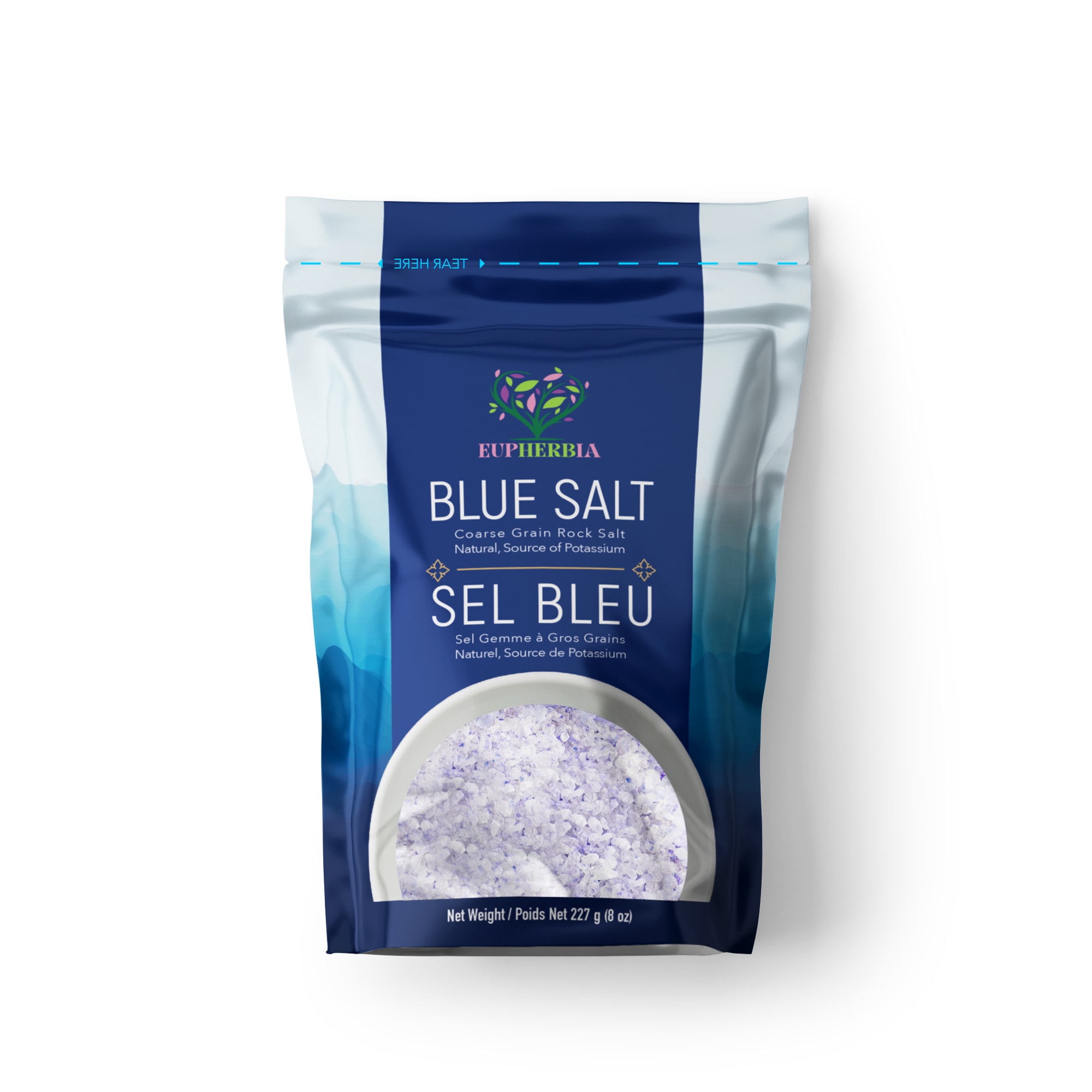
Private label packaging means a manufacturer produces and packages a product under your brand name rather than their own. You own the brand. You control the label. The manufacturer handles production, filling, sealing, and often labelling.
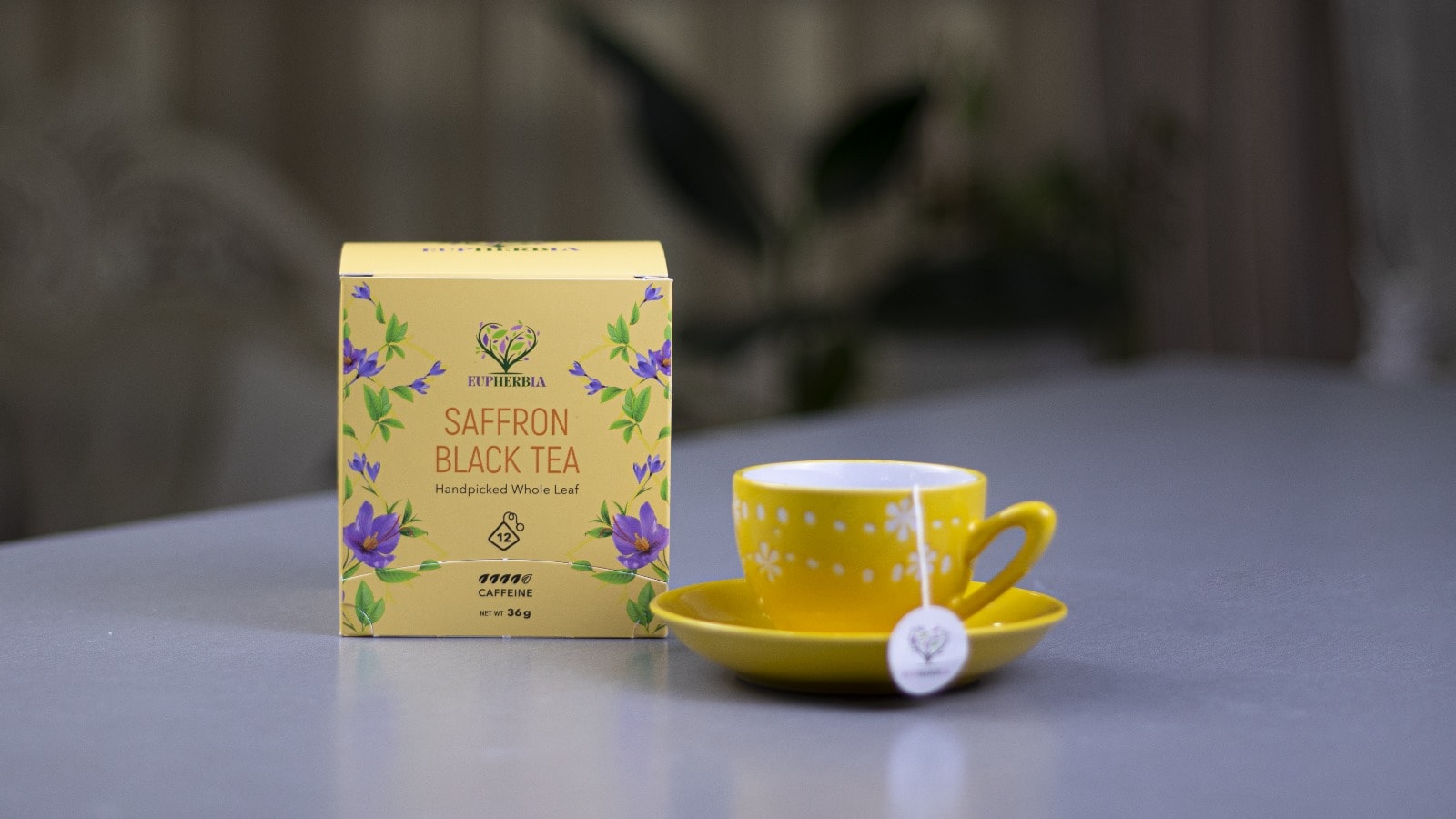
For dry food categories — spices, grains, flours, teas, legumes, seeds — private label is especially common. The product itself is often commodity-grade or specialty-sourced, and the differentiation comes entirely from branding, packaging format, and quality positioning.
In Canada, private label dry food accounts for a significant and growing share of grocery sales, particularly in ethnic food aisles, health food stores, and online marketplaces. Private label spice packaging, private label tea packaging, and specialty dry goods are among the fastest-growing segments for dry food co-packing in Toronto and across Ontario.
Why Toronto Is a Hub for Private Label Food Manufacturing
The Greater Toronto Area is home to one of the most diverse food manufacturing ecosystems in North America. Several factors make it ideal for private label food manufacturing in Canada:
- Proximity to major retail distribution. Toronto is within a day's drive of the majority of Canada's population. Getting product to Loblaws, Sobeys, Metro, Costco Canada, and independent grocers is logistically efficient.
- Diverse ingredient sourcing. The GTA has deep supply chains for South Asian spices, Middle Eastern dry goods, Persian specialty foods, and Caribbean staples, categories where private label demand is surging.
- Regulatory alignment. Ontario-based manufacturers operate under CFIA oversight and Canadian food labelling regulations, which simplifies compliance for brands selling into Canadian retail.
- Bilingual labelling expertise. Federal law requires bilingual (English and French) labelling on all packaged food sold in Canada. Toronto-area food co-packers are experienced with this requirement.
Key Decisions Before You Start
1. Choose Your Packaging Format
The packaging format affects shelf life, retail presentation, cost per unit, and consumer perception. Common formats for dry food packaging in Toronto and across Canada include:
- Stand-up pouches, ideal for spices, teas, seeds, and snacks. Resealable zippers add consumer value.
- Flat-bottom bags, premium look for specialty products, excellent shelf presence.
- Pillow bags, cost-effective for high-volume commodity items like flour, rice, and sugar.
- Jars and bottles, preferred for spices and seasonings where visibility matters.
- Bulk bags (FIBC), for food service, industrial, and wholesale buyers.
At Cana Prime Food, we produce all of these formats with custom print runs starting at competitive minimum order quantities. Our custom food packaging capabilities cover everything from single-SKU launches to multi-line private label programs.
2. Understand Canadian Labelling Requirements
Health Canada and the CFIA set strict requirements for food labels in Canada. Your private label packaging must include:
- Bilingual product name (English and French)
- Net quantity declaration in metric units
- Ingredient list in descending order by weight, bilingual
- Nutrition Facts table (bilingual, standardized format)
- Allergen declarations, the "Contains" statement for priority allergens
- Country of origin where required
- Manufacturer or importer name and address
- Best before date and storage instructions
Non-compliance can result in product recalls, retail delisting, and CFIA enforcement action. Working with a certified food co-packer in Canada who understands these requirements is essential.
3. Know Your Minimum Order Quantities
MOQs vary significantly by packaging format, print complexity, and supplier. For custom-printed flexible packaging in Canada, typical MOQs range from 5,000 to 50,000 units depending on the format and number of SKUs.
If you are launching multiple SKUs simultaneously, say, a line of six spice blends, you can often negotiate better pricing by consolidating your print run with a single contract packaging supplier in Ontario.
At Cana Prime Food, we work with brands at various stages of growth and can discuss MOQ flexibility based on your product mix.
4. Verify Food Safety Certification
Any co-packer you work with should hold recognized food safety certification. In Canada, the most relevant standards are:
- SQF (Safe Quality Food) Level 2, the benchmark for food manufacturing in North America
- HACCP (Hazard Analysis and Critical Control Points), required for CFIA-regulated facilities
- BRC Packaging Standard, relevant for packaging materials suppliers
Production at Cana Prime Food is carried out in an SQF-certified and HACCP-compliant facility operating under CFIA oversight. Our HACCP-based controls cover hazard analysis, critical control points, and corrective action procedures across all product categories.
The Private Label Launch Process: Step by Step
- Step 1, Product brief. Define your product: what it is, target market, retail price point, and competitive positioning.
- Step 2, Packaging design. Work with a graphic designer to create label artwork that meets CFIA requirements. Your food packaging company in Toronto can provide dieline templates for each packaging format.
- Step 3, Artwork approval. Submit final print-ready files. Your co-packer will review for technical print compatibility.
- Step 4, Sample production. Request a pre-production sample run to verify label placement, seal integrity, and product presentation before committing to full production.
- Step 5, Production run. Full production, quality inspection, and palletizing for delivery or direct-to-warehouse shipping.
- Step 6, Retail submission. Submit product for retail buyer review with all required documentation: spec sheets, nutrition facts, allergen declarations, and certifications.
Common Mistakes to Avoid
- Skipping the sample stage. Always request a physical sample before approving a full production run. Label placement, colour accuracy, and seal quality can only be verified on the actual package.
- Underestimating lead times. Custom-printed packaging typically requires 6–10 weeks from artwork approval to delivery. Plan your retail launch timeline accordingly.
- Ignoring bilingual requirements. French labelling is not optional in Canada. Budget for translation and label redesign from the start.
- Choosing price over certification. A lower-cost co-packer without SQF or HACCP certification creates liability risk. Retailers increasingly require proof of food safety certification before listing new suppliers.
Who We Serve
Cana Prime Food provides dry food co-packing in Toronto and private label spice packaging across Canada for a wide range of clients, including:
- Retail brands launching private label spice, tea, and dry food lines for grocery distribution
- Wholesale and food service distributors requiring bulk packaging and custom labelling
- E-commerce brands building direct-to-consumer food products
- Importers and distributors repackaging specialty ingredients for the Canadian market
- Ethnic food brands serving South Asian, Middle Eastern, Persian, and Caribbean consumer segments in the GTA
Whether you are a startup launching your first SKU or an established brand scaling your private label food manufacturing operation, our team can support your project from concept to shelf.
Frequently Asked Questions
What is the minimum order quantity for private label food packaging?
MOQs depend on the packaging format, print complexity, and number of SKUs. For custom-printed flexible pouches, typical MOQs range from 5,000 to 50,000 units. Contact our team to discuss your specific requirements, we work with brands at various stages of growth.
How long does private label packaging take in Canada?
From artwork approval to delivery, custom-printed packaging typically requires 6–10 weeks. If you are working toward a specific retail launch date, plan your timeline accordingly and engage your co-packer early.
Do Canadian food products require bilingual labels?
Yes. Federal law requires that all packaged food sold in Canada carry bilingual (English and French) labelling, including the product name, ingredient list, Nutrition Facts table, and allergen declarations. Our team can advise on bilingual label design and CFIA compliance.
Can Cana Prime Food assist with Nutrition Facts tables and CFIA compliance?
Yes. We can provide guidance on Canadian food labelling requirements, including Nutrition Facts table formatting, allergen declarations, and bilingual text requirements. We recommend working with a registered dietitian or food labelling consultant for final label sign-off.
What food categories are suitable for private label packaging?
Private label packaging is well-suited to dry food categories including spices, spice blends, teas, herbal infusions, grains, flours, legumes, seeds, dried fruits, and specialty food ingredients. Our facility is equipped for private label spice packaging Canada, tea packaging services, and a broad range of dry food formats. As a certified dry food co-packer in Toronto, we serve brands from single-SKU launches to full multi-line programs.
Ready to Launch Your Private Label Line?
Looking for a trusted private label spice packaging partner or dry food co-packer in Toronto?
Cana Prime Food helps brands launch and scale private label spice packaging and dry food co-packing with professional packaging, regulatory guidance, and reliable manufacturing support. Our SQF-certified, HACCP-compliant facility operates under CFIA oversight and serves retail, wholesale, and e-commerce brands across Canada.
Contact our team today to request a quote, discuss your project, or schedule a consultation. You can also visit our Private Label services page to learn more about our capabilities, or explore our product range to see the formats we produce.
Explore Topics
Written by
Cana Prime Food Team
Content creator and writer sharing insights and stories.